
Outdoor Living Design Ideas That Work All Year
A well-designed outdoor living space should do more than look impressive during the peak of summer. It should extend the usable area of your home, account for how you spend time outdoors, and withstand changing weather throughout the year. For homeowners in the Muskoka District Municipality Area, that means considering everything from drainage and durable hardscape materials to lighting, shelter, seating, and seasonal comfort. With a thoughtful plan, your backyard can become a practical extension of your home rather than an area you only use a few months of the year.
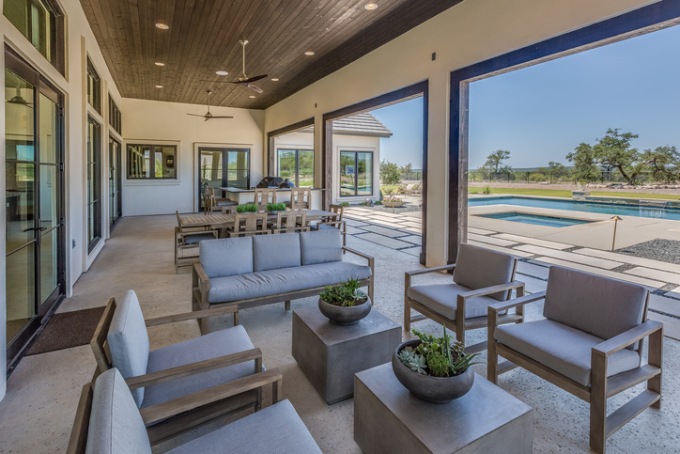
Here are our tips for year-round outdoor living
1. Be Thoughtful About Outdoor Space Planning
Effective outdoor living design starts with deciding how you want the space to function. A backyard designed primarily for quiet evenings may look very different from one intended for entertaining large groups. Think about the activities you want the space to accommodate. You might want an outdoor dining area close to the kitchen, a separate conversation area around a fire feature, space for a barbecue or outdoor kitchen, or a quieter section for relaxing near a pond or garden.
From there, consider how people will move between these areas. Walkways should create natural connections without cutting awkwardly through seating or dining spaces. Frequently used areas should also be conveniently positioned in relation to doors, gates, and other access points. With these things in mind, you can start brainstorming outdoor living design ideas that suit your lifestyle.
2. Build a Strong Foundation with Hardscaping
Hardscaping provides the physical structure for an outdoor living area. Patios, walkways, stairs, retaining walls, and other permanent features define individual zones and make the property easier to navigate. Here’s how to build that stable foundation for your space:
- Material Selection: Material selection is particularly important in Ontario, where exterior surfaces are exposed to rain, snow, ice, and freeze-thaw cycles. Natural stone and quality interlocking products are popular options because they can provide both durability and visual character when properly installed.
- Proper Installation: Proper installation is just as important as the surface material itself. A patio requires appropriate excavation, base preparation, grading, and drainage to reduce the risk of shifting, settling, or pooling water.
- Retaining Wall Design: If you have sloped property, retaining walls might come into play. In addition to adding definition, strategically placed walls can create level areas for patios, gardens, and seating while helping manage grade changes.
3. Think About Comfort in Backyard Entertainment Areas
The best backyard entertainment areas are more than just some chairs and a TV. These spaces need ample room for people to gather without feeling disconnected from the rest of the home. Design your entertainment space with these three steps:
- Choose a Purpose: What will your space be used for? If outdoor dining is a priority, leave enough room around the table for chairs to move comfortably and for guests to walk behind them. If you prefer casual gatherings, a lounge area with outdoor sofas, chairs, or built-in seating may make better use of the space.
- Consider Logistics: Don’t forget about proximity to your home. Placing frequently used dining and cooking areas near the kitchen can reduce unnecessary trips across the yard. Secondary spaces, such as a fire-side seating area, may be positioned farther away to create a distinct destination within the landscape.
- Keep Privacy in Mind: Privacy can be addressed with planting beds, screens, fencing, or carefully positioned landscape features rather than enclosing the entire backyard.
4. Mix In Features for Year-Round Outdoor Living
Creating year-round outdoor living requires planning for seasonal changes rather than designing exclusively for warm weather. Shade structures such as pergolas can make hot summer afternoons more comfortable. Covered areas provide additional protection from rain and can help extend the time you spend outdoors during less predictable weather.
During cooler months, a fire pit or outdoor fireplace can make gathering areas more inviting. Evergreen plantings can provide colour, structure, privacy, and wind protection even after deciduous plants have lost their leaves. It is also worth considering snow removal while planning patios and walkways. Comfortable circulation routes in July should still make sense when the property is covered in snow.
5. Elevate Your Space with Landscape Lighting
Landscape lighting is an essential part of any outdoor space planning process. Lighting along walkways, stairs, entrances, and changes in elevation can make it easier to navigate your property after dark. What’s more, accent lighting can highlight stonework, mature trees, gardens, water features, and other focal points. Lighting is best addressed during the initial landscape design rather than added as an afterthought. Planning early makes it easier to coordinate fixture locations, electrical requirements, pathways, patios, plantings, and other permanent elements.
Avoid These Outdoor Space Planning Mistakes
Designing a landscape is a big job, and it’s easy to run into mistakes. As you consider your outdoor living space design, be sure to avoid these common errors:
- Underestimating Drainage: Water needs somewhere to go. Improper grading can cause pooling and contribute to problems with hardscape surfaces.
- Making Patios Too Small: Plan around the actual furniture you intend to use, including enough clearance to move around it.
- Ignoring Seasonal Conditions: Materials and features need to withstand temperature swings, precipitation, and winter conditions.
- Adding Features Without Considering Maintenance: Ponds, planting beds, and other landscape elements should fit the amount of upkeep you realistically want to do.
- Designing Separate Features Instead of a Complete Landscape: Patios, walkways, retaining walls, plantings, lighting, and water features work best when they are planned as parts of a unified space.
Build an Outdoor Space Designed Around Your Home
A year-round backyard should balance appearance, durability, comfort, and function. Starting with a comprehensive plan allows the hardscape, gathering areas, landscaping, lighting, and other features to work together from the beginning. Hardrock Landscaping brings more than 20 years of experience and training to landscape and hardscape projects throughout the Muskoka District Municipality Area. Whether you’re considering a new patio, stonework, retaining walls, a pond, outdoor lighting, or a more complete backyard transformation, skilled planning and installation can help turn your property into an outdoor environment built for lasting enjoyment. Get in touch with us today.
FAQs About Outdoor Living Space Design
How Much Space Do I Need for My Outdoor Living Area?
There’s no minimum size. Even a relatively compact backyard can accommodate a functional outdoor living area when the layout is carefully planned.
What’s the Best Patio Material for Year-Round Outdoor Living?
The best material depends on your property, aesthetic, budget, drainage conditions, and maintenance preferences. Natural stone and interlocking paving products are common options for Ontario landscapes because they can provide durable, attractive outdoor surfaces, but you can always discuss other options with our design team.
How Can I Make My Backyard Usable During Colder Months?
Start with durable walking and gathering surfaces, then incorporate features that improve comfort as temperatures drop. Fire features, sheltered seating areas, wind protection, evergreen landscaping, and well-planned lighting can all extend your backyard’s useful season.
Should I Include Landscape Lighting During the Design Phase?
Yes. Including lighting early allows your design team to coordinate fixtures and electrical requirements with patios, walkways, stairs, planting beds, and other landscape features.
Are Water Features Difficult to Maintain?
They do require regular care, but maintenance needs vary considerably depending on the type, size, and design of the feature. Talk to our team about which water features come with minimal maintenance.