
Ways Landscape Lighting Transforms Your Property After Dark
Much of what makes a property appealing during the day disappears once the sun sets. The stonework, gardens, mature trees, and patio you have invested in fade into the background, while steps, slopes, and walkway edges become harder to see. However, well-designed landscape lighting gives your property a distinct character after dusk, highlighting its best features while making it safer and more comfortable to use. If you’re looking to revamp your backyard, take a look at how landscape lighting ideas can transform your property when the sun goes down.
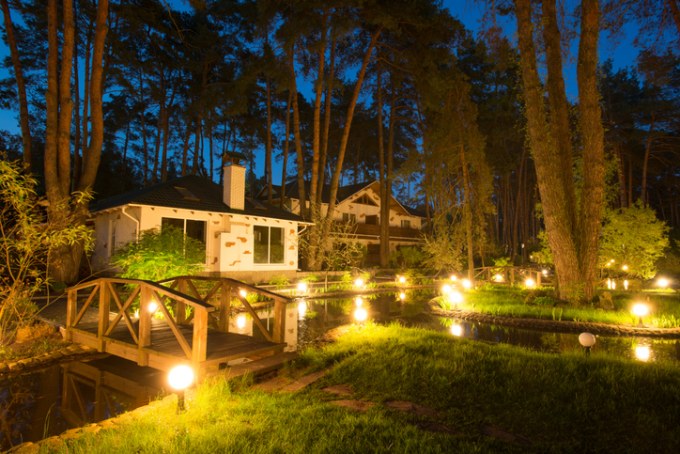
Improve Safety Around Your Property
Steps, changes in elevation, uneven surfaces, and the edges of walkways can become difficult to see after dark. Strategically placed landscape lights can make these areas much easier for family members and guests to navigate. Path lights can define the edges of walkways and garden paths, while step and wall lights can illuminate stairs, retaining walls, and transitions between different surfaces. Lighting around a driveway or entrance can also provide better visibility when arriving home after sunset.
Boost Curb Appeal After Sunset
Outdoor lighting design gives you an opportunity to highlight details that might otherwise disappear at night. Uplighting can emphasize mature trees, architectural features, stone walls, and textured surfaces. Fixtures positioned near gardens can reveal variations in plant height, shape, and colour. Lighting along a walkway can naturally guide attention toward the front entrance. The goal is usually balance rather than maximum brightness. By selecting a few important features and illuminating them intentionally, you can create contrast, depth, and visual interest.
Elevate Your Backyard Entertainment Area
Lighting can completely change the atmosphere of a backyard patio or entertainment area. Rather than relying on a single bright fixture attached to the house, a layered lighting plan can provide illumination where it is actually needed. For example, you could install low-level lighting around steps and pathways. Seating and dining areas can have comfortable ambient light, while nearby trees, gardens, ponds, or stone features can receive accent lighting. The result is a backyard that feels intentional after dark rather than simply illuminated.
Extend the Use of Outdoor Living Spaces
One of the biggest landscape lighting benefits is the opportunity to extend the use of your backyard. Landscape lighting can make patios, outdoor kitchens, seating areas, walkways, and garden spaces more functional after sunset. Task lighting can be used where additional visibility is needed for cooking or food preparation, while softer ambient lighting can make lounge and dining areas feel comfortable.
Try These Landscape Lighting Tips to Get Started
Incorporating lighting into an outdoor design isn’t always straightforward. Use these landscape lighting tips as your guide while you create your dream space:
- Use LED Fixtures: Quality LED landscape lighting sets the gold standard for illumination and typically requires less frequent bulb replacement than other bulbs.
- Choose an Appropriate Colour Temperature: Warm white light is often well suited to residential landscapes because it creates an inviting appearance and complements natural materials such as stone and wood.
- Avoid Excessive Brightness: More light isn’t necessarily better. Lower-output fixtures positioned thoughtfully can create better results than a small number of extremely bright lights.
- Mix Lighting Techniques: Path lighting, uplighting, downlighting, step lighting, and accent lighting can work together to create depth and provide illumination at different heights.
- Use Outdoor-Rated Equipment: Fixtures, transformers, connections, and wiring should be designed for outdoor environments and installed in accordance with electrical requirements.
- Plan for Plant Growth: Trees and shrubs change considerably over time. Fixture positions may need occasional adjustments so growing vegetation doesn’t block the light or alter its intended effect.
- Consider Controls: Timers, photocells, and compatible smart controls can make it easier to manage when different lights operate and reduce unnecessary energy use.
Create an Outdoor Space You Can Enjoy After Dark
Thoughtfully placed landscape lighting can make a noticeable difference in the way your property looks, feels, and functions after sunset. From illuminating steps and walkways to showcasing gardens, stonework, and mature trees, the right system combines practical visibility with carefully designed atmosphere. If you’re ready to bring pathway lighting ideas to life, get in touch with Hardrock Landscaping. We have over two decades of experience creating outdoor spaces for residents of Muskoka District Municipality Area. Contact us today and let us know how we can help you.
FAQs About Outdoor Lighting Design
What’s the Ideal Brightness for Residential Landscape Lighting?
There is no single brightness level that works for every fixture. Landscape lighting is generally more effective when it uses several lower-output fixtures instead of a few excessively bright ones. Pathways may require only gentle illumination, while tall trees or large architectural features may require higher output.
How Far Apart Should Pathway Lights Be Installed?
Path lights are commonly spaced approximately six to ten feet apart, although the right spacing depends on fixture output, beam spread, path width, and the desired visual effect.
Can Landscape Lighting Be Added to an Existing Hardscape Project?
Absolutely. Landscape lighting can often be retrofitted into an existing patio, walkway, retaining wall, garden, or other hardscape area.
Does Landscape Lighting Require a Lot of Maintenance?
A properly installed LED landscape lighting system generally requires little maintenance. Fixtures should occasionally be cleaned, checked for damage, and repositioned if frost, soil movement, landscaping work, or plant growth changes their alignment. Leaves, snow, and vegetation may also need to be cleared away from fixtures during the year.
Which Fixtures Work Best for Highlighting Trees and Gardens?
Spotlights and uplights are commonly used to emphasise trees, sculptures, stonework, and prominent garden features. Wider flood-style fixtures can illuminate larger planting areas, while downlights mounted at an appropriate height can create a softer effect similar to natural moonlight.
Can Landscape Lighting Be Customised for Specific Occasions?
Yes. Depending on the system, landscape lighting can incorporate multiple zones, timers, dimmers, or compatible smart controls. These features can allow you to adjust operating times or lighting levels for changing daylight hours, outdoor gatherings, holidays, or different seasons.