
Retaining Wall Design Ideas for Sloped Properties
A sloped property can bring character and dimension to a landscape, but it can also make it difficult to create practical outdoor areas. Uneven ground may limit where you can place a patio, garden, walkway, or gathering space. Steep slopes can also cause drainage and erosion concerns if they’re not managed appropriately. Fortunately, a well-designed retaining wall can help address these challenges while becoming an attractive part of your landscape. Rather than simply holding back soil, the right wall can create usable levels, establish planting areas, define different outdoor spaces, and complement the materials and architectural details around your home. With this in mind, let’s take a look at retaining wall design and the benefits of having one as part of your landscape.
The Benefits of Retaining Walls
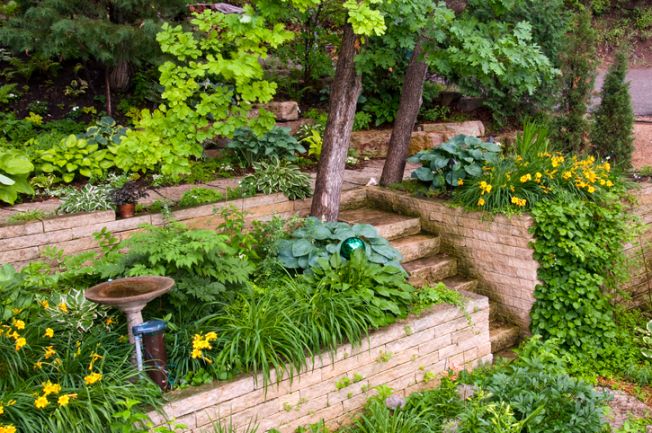
The primary purpose of a retaining wall is to hold soil in place when there’s a significant change in elevation. On a sloped property, however, a professionally designed wall can accomplish much more. Retaining walls can turn difficult terrain into flatter, more functional areas for patios, lawns, gardens, outdoor kitchens, pathways, or seating. They can also help manage soil movement and erosion by stabilizing sections of a slope.
From a landscape design perspective, retaining walls introduce structure to the landscape. A wall can provide a clear transition between areas of different elevations while adding texture and visual interest. Depending on your property’s layout, multiple shorter walls can create attractive terraces that feel more integrated into the yard than one tall, imposing structure.
What to Consider Before Designing a Retaining Wall
Does a stone retaining wall sound like a good idea for your property? Before you get started, be sure to consider the following aspects of retaining wall design:
- Height and Steepness: These factors are important because they affect the pressure the wall must withstand.
- Drainage: Water accumulating behind a retaining wall creates hydrostatic pressure, which can contribute to movement, bulging, cracking, or even wall failure.
- Practical Considerations: Soil type, existing vegetation, nearby structures, property lines, and the location of patios, driveways, pools, or walkways should also influence your retaining wall ideas.
Choosing the Best Retaining Wall Materials
Once you’ve considered the structural aspects of retaining wall design, you can start thinking about materials. The best retaining wall material for you depends on your style, property type, and site conditions. You might take a closer look at these options:
- Natural Stone: Natural stone provides an organic appearance that works especially well with wooded properties, gardens, and landscapes where the goal is to blend the wall into its surroundings.
- Concrete Retaining-Wall Blocks: Available in numerous shapes, colours, textures, and sizes, they can complement everything from contemporary homes to more traditional landscapes.
- Armour Stone: This material is particularly well suited to larger landscapes and properties where you want a substantial natural-stone appearance. The large stones can make an impressive statement while helping manage significant elevation changes.
Retaining Wall Ideas for Sloped Backyards
A sloped backyard doesn’t have to be an inconvenience. With the right planning, you can turn a retaining wall for slopes into a stand-out design feature. Here are some approaches you can take:
- Terracing: Instead of constructing one large wall, several walls can divide the hill into distinct levels. The resulting terraces can become gardens, lawn areas, seating spaces, or planting beds.
- Built-In Steps: Connecting different elevations with stone or paver steps makes movement through the yard easier while creating a more intentional design.
- Levelling: You might also use a retaining wall to establish a level patio or entertaining area. This creates space for additional furniture, fire pits, water features, and more.
- Layered Planting Beds: Plants at different elevations can soften the appearance of the hardscape and create greater depth. Low-growing plants may cascade slightly over wall edges, while shrubs, ornamental grasses, and perennials can provide height and texture.
A Few More Stone Retaining Wall Design Tips
Stone retaining walls are especially effective when their design relates to other elements of the landscape. Consider carrying similar stone tones or textures into steps, pathways, patios, garden borders, or entrance features. Repeating materials helps separate features feel like parts of one cohesive landscape rather than additions made at different times. Curves can also give a wall a more natural appearance when the property allows for them. A gently curving wall can follow the contours of a yard and create interesting planting pockets along the way. But at the same time, avoid overwhelming your property with hardscape. Pairing stone with plants, lawn, mulch, river rock, or other softer landscape elements creates balance and lets the craftsmanship of the wall stand out.
Common Retaining Wall Design Mistakes to Avoid
Many retaining-wall problems begin below or behind the finished surface, where you can’t easily see them. Don’t overlook these common retaining wall design issues:
- Drainage: Water always needs a reliable way to move away from the wall rather than accumulating behind it.
- Insufficient Base Preparation: A retaining wall needs an appropriately prepared and compacted foundation to resist settling and movement over time.
- Designing the Wall in Isolation: Its shape, scale, colour, and texture should make sense alongside the home and surrounding landscape.
- Other Mistakes: Refrain from choosing materials based only on appearance, constructing a wall that’s not appropriate for the site’s grade, and overlooking local requirements for retaining walls.
Create a Retaining Wall That Works with Your Landscape
Is it time to bring your retaining wall design ideas to life? Hardrock Landscaping helps homeowners in the Muskoka District Municipality Area do just that. With over 20 years of experience, we can work with you to create the backyard you’ve always envisioned. Get in touch with us today to kick off the design process.
FAQs About Retaining Wall Design
How Long Do Professionally Installed Retaining Walls Last?
The lifespan of a retaining wall depends on its material, construction, drainage, soil conditions, exposure to freeze-thaw cycles, and ongoing maintenance. However, a professionally installed retaining wall built with suitable materials and proper drainage can often last for decades.
What’s the Best Retaining Wall for Properties With Drainage Concerns?
No one material will solve every drainage problem, and it’s best to incorporate a drainage system into the wall and landscape. Talk to your design team about installing a drainage system that makes the most sense for your property.
Can Retaining Walls Reduce Erosion During Rainfall?
Yes. Retaining walls can stabilize slopes and help reduce soil movement, particularly when combined with properly planned grading, drainage, and vegetation.
Are Permits Required for Retaining Wall Installation?
Permit requirements depend on the municipality, wall height, location, and specific characteristics of the project. Thankfully, we can help with the permitting process so you don’t have to stress about all the regulations.
How Do Retaining Walls Impact Property Value?
While a retaining wall’s effect on property value varies, durable and professionally executed landscaping can make an outdoor environment more functional and appealing to homeowners and prospective buyers.